Research led by Dr Fernanda Andrade and Dr Diana Rafael from the Clinical Biochemistry, Drug Delivery and Therapeutics group at the Vall d'Hebron Institute of Research (VHIR) has proposed the use of Soluplus® micelles as docetaxel nanocarriers for the treatment of glioblastoma multiforme. Glioblastoma is the most common brain cancer in adults and one of the tumours with the worst prognosis, with a median survival of only 14 months. The research, published in the Journal of Controlled Release, focused on nanotechnology to find a delivery method that improves on current treatments. Of all the combinations tested, docetaxel delivered by Soluplus® showed the most promising results.
The treatment of brain tumours presents special challenges. One of the complications is getting drugs across the blood-brain barrier. This barrier acts as a natural defence mechanism that prevents the passage of most large molecules from the blood into the cerebrospinal fluid and brain tissue, making it difficult for most drugs to reach their target. The team proposed using intravenous polymeric micelles as nanotransporters to deliver drugs directly to tumours. The drug is introduced into the hydrophobic core of the micelle and transported to the tumour tissue, where it is released in a controlled manner. This method reduces drug toxicity while increasing drug efficacy, with a barrier penetration rate of 15% in in vitro tests, far higher than other methods.
Two types of composite micelles were tested in the study: Soluplus® and Pluronic®. Both showed promising properties regarding size, surface charge and encapsulating efficiency. To test their safety, empty micelles were also introduced into healthy models. Ultimately, the team chose Soluplus® because it showed greater efficacy in 3D models, which better mimic tumour conditions in living organisms.
At the same time, the research team selected docetaxel as the drug to be administered. This is a taxane-type drug that was chosen because it had the best IC50 value of all the medications tested. The IC50 is the amount needed to halve the number of treated cancer cells compared to untreated models.
Once the combination had been selected, in vivo tests were carried out to compare the use of Soluplus® to deliver docetaxel with direct administration of the drug. Treatment with Soluplus® proved to be twice as effective: firstly, it allowed more drug to reach the tumour tissue, and secondly, because it had fewer side effects, it allowed the number of doses administered to be increased.
However, analysis of tumour tissue after treatment showed the persistence of resistant cells, demonstrating the need for a combined therapeutic regimen to achieve complete eradication of the tumour. Dr Diana Rafael explains: "The treatment of glioblastoma multiforme is complex and needs to be approached with different strategies and interventions. This study aims to add another tool to the health care team's repertoire.

La mejor actitud que podemos adoptar es la de trat...

The research team observed changes in head circumf...

AtCDF3 gene induced greater production of sugars a...
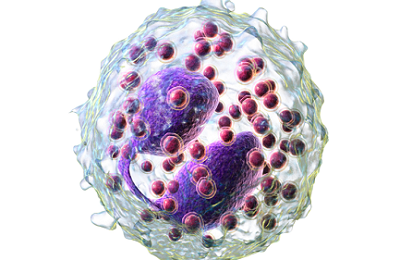
En nuestro post hablamos sobre este interesante tipo de célula del...

Telum Therapeutics, a biotechnology company leveraging proprietary met...