The neurovascular diseases group at VHIR, led by Dr. Joan Montaner, will coordinate in the next two years the project 'Device point of care of stroke diagnostic with plasmatic biomarkers: 2-stroke-chip (TECH-StrokeChip2), funded by Instituto de Salud Carlos IIII (ISCIII).
TECH-StrokeChip-2 counts with the participation of several Catalan hospitals: Vall d'Hebron, Josep Trueta, Joan XXIII, Germans Trias i Pujol, Bellvitge, Parc Taulí and Verge de la Cinta.
The target of the project is to obtain panels of biomarkers for its clinical application in ictus and its introduction in a Point of Care (POC) device to be applied in the clinical practice in months or few years after the end of the study. In order to get it, they will use the serum bank of patients generated by Dr. Montaner's group, where will screen aptamers to find new biomarkers to diagnose stroke.
Together with other biomarkers already identified by the Neurovascular diseases group in previous multicenter studies with the same participants hospitals, the project wants to obtain panels of biomarkers with predictive capacity for diagnostics and prognostics of stroke patients. These candidate biomarkers are integrated in a device of quick mesure based in electrochemical biosensors that will be developed at Dr. Eva Baldrich's lab in the Nanomedicine area, and will be proved in a pilot trial in some of the hospitals members of the project.
"With this study we should be able to transfer to the patient a device that could predict diagnostics and prognositcs of stroke, which would be a major advance for all the people who's suffering this disease", comments Dr. Montaner.
All the participants of TECH-StrokeChip2 had a kick-off meeting at VHIR recently which served to initiate the work that could led them to get the goals in the next two years.

La mejor actitud que podemos adoptar es la de trat...

The research team observed changes in head circumf...
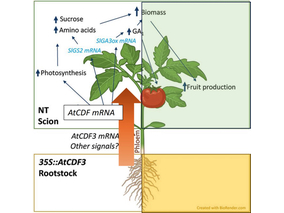
AtCDF3 gene induced greater production of sugars a...
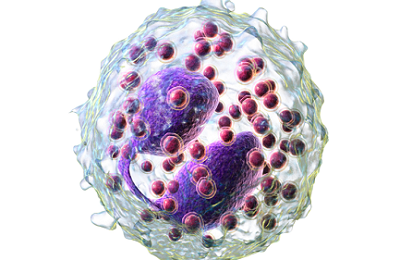
En nuestro post hablamos sobre este interesante tipo de célula del...

Telum Therapeutics, a biotechnology company leveraging proprietary met...