Tailoring Cancer Therapies Through Precision Medicine
Precision medicine is redefining oncology by moving away from “one-size-fits-all” treatments towards therapies tailored to the unique genetic and molecular profile of each patient.
As part of a recent Pharma's Almanac roundtable, their Senior Project Manager Erica Cirri PhD. shared her insights on how cutting-edge technologies such as CRISPR and mRNA are accelerating this shift, enabling more targeted, effective, and less toxic therapies for patients.
At Tebubio, they are committed to supporting the scientific community with innovative Contract Research Services (CRS) and solutions that contribute to the advancement of precision medicine approaches in cancer and beyond.
Get in touch with the Tebubio team and let them help you achieve success in your project.
You can read Erica’s full contribution to the roundtable below:
"Precision medicine is transforming cancer treatment by shifting from a “one-size-fits-all” approach to one that is tailored to each patient’s cancer. On the one hand, the integration of multi-omics data enables the creation of detailed genetic and molecular profiles of patients. On the other hand, technologies like CRISPR and mRNA allow developers to rapidly adapt treatments to new mutations or rare cancer subtypes, with small-scale, modular, and fast manufacturing.
CRISPR has exhibited potential in boosting the efficacy of autologous cell therapies like CAR-T cells, reducing tumor growth and sensitizing cancer cells to treatments, by selectively activating or deactivating genes within the tumor cells and microenvironment. This technology is also being harnessed in precision disease modeling and drug screening to validate the best tumor antigens as well as identify effective treatments and resistance mechanisms.
With 60 treatments in development and 120 cancer vaccine trials across various malignancies, mRNA has enabled unprecedented advances in oncology. Notable examples of personalized cancer vaccines encoding patient-specific neoantigens are BioNTech’s BNT122 (Autogene Cevumeran) and Moderna’s mRNA-4157/V940, which have shown promising recurrence-free survival in pancreatic cancer and melanoma, respectively.
While the transformation in individualized care is enabling more effective and less toxic therapies, costs remain a challenge.”

La mejor actitud que podemos adoptar es la de trat...

The research team observed changes in head circumf...
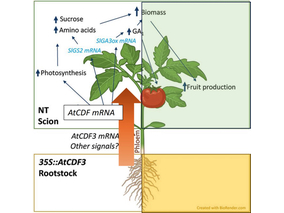
AtCDF3 gene induced greater production of sugars a...
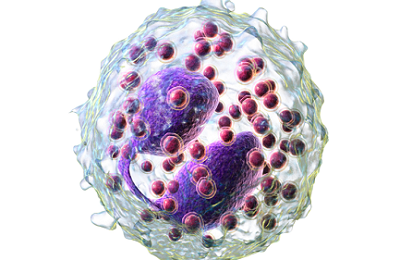
En nuestro post hablamos sobre este interesante tipo de célula del...

Telum Therapeutics, a biotechnology company leveraging proprietary met...