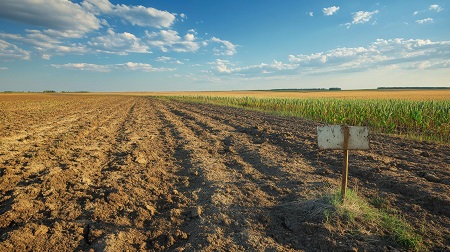
The topsoil organic carbon pool is at high risk in 43 to 83 million hectares of EU and UK agricultural land, primarily in in cool and humid regions, according to a JRC-led study
The study concludes that the majority of EU agricultural soils require additional protective measures, such as cover cropping, improved crop rotations, reduced tillage, deep rooting crops, increasing organic amendments and agroforestry.
This study provides insights that can be used to implement more targeted and effective carbon management practices in agricultural soils, optimising both the area covered and the interventions that maximize carbon storage in stable form.
Why is soil organic carbon important?
Soils are a large reservoir of carbon. The topsoil of agricultural areas in the EU alone contains more than 10 times the CO2 of current EU annual total greenhouse gas emissions.
Soil organic carbon also supports the productivity of soils, by improving their structural condition, water holding capacity and nutrient supply, rendering them more resilient to disturbances related to land use and climate conditions.
The climate crisis has increased the loss of soil organic carbon. European agricultural soils have recently been estimated to experience a relative loss of 0.75% of total soil organic carbon between 2009 and 2018. This may indicate that further action should be put in place, to reverse this trend towards soil carbon accrual.
Combining soil carbon changes and vulnerability
Whereas changes in total soil organic carbon are informative for assessing overall trends, they are less informative in terms of future potential. This is because not all the organic carbon in soil is equal.
Some pools are more protected because carbon is bound to fine mineral particles. However, this protective capacity has a limit, known as ‘saturation’. Once saturated, soils are more vulnerable to carbon losses.
The research team's findings, which are based on data from the largest harmonized soil database (LUCAS soil survey), challenge the traditional notion of a universal maximum saturation capacity. Instead, they suggested an "effective saturation capacity," which varies across different pedo-climatic zones, triggering the conceptualization of the new risk index.
The proposed risk index combines both soil organic carbon changes (hazard) and soil organic carbon saturation (vulnerability) to identify areas with the highest risk for further carbon losses as well as areas with potential for accrual.
What is the EU doing?
Increasing the amount of carbon in agricultural soils through more sustainable farming practices can help to reduce the impacts of climate change and improve food security.
As part of the common agricultural policy (CAP), the sustainable use of agricultural soils is already supported through the CAP Strategic Plans in all Member States by a mix of mandatory and voluntary measures for farmers.
Furthermore, the recent entry into force of the Carbon Removal and Carbon Farming certification framework opens new business opportunities for a voluntary carbon market, by rewarding farming activities that accrue carbon, relative to a standardised baseline, while maintaining or improving biodiversity and avoiding land degradation.
The new risk index represents a step forward in identifying and mitigating the risks associated with soil carbon management. It provides decision-makers with information to prioritize areas for preserving and accruing soil organic carbon.
Image: Soils are a large reservoir of carbon. © indyntk - stock.adobe.com

La mejor actitud que podemos adoptar es la de trat...
El equipo de investigadores observó cambios en el...
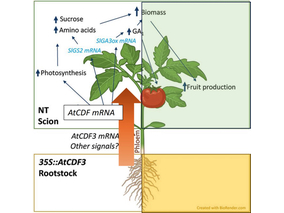
El gen AtCDF3 promueve una mayor producción de az...
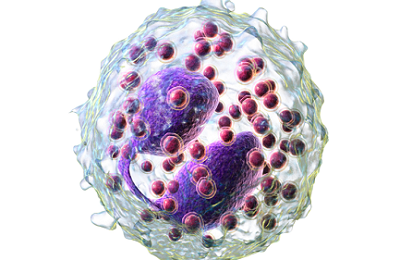
En nuestro post hablamos sobre este interesante tipo de célula del si...
Un artículo publicado en Alzheimer’s & Dementia: The Journal of the...