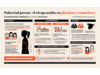
Just a few decades ago, aging with HIV was unthinkable. Today, with a life expectancy similar to that of the general population, the new challenge is to minimize the impact of chronic treatment while research continues to advance toward a cure. In this context, The Lancet HIV publishes the results of an international phase 3 clinical trial demonstrating, for the first time, that a combination of just two antiviral drugs —doravirine and islatravir— which do not belong to the integrase inhibitor family, can be as effective and safe as the most commonly used triple therapy for initial treatment, which does include this family of drugs.
The study, led by the University Hospital of Bonn and the company Merck, included the participation of Dr. Roger Paredes, principal investigator at IrsiCaixa —a center jointly promoted by the “la Caixa” Foundation and the Department of Health of the Government of Catalonia— Head of the Infectious Diseases Department at Hospital Germans Trias i Pujol, and Scientific Director of the Fight Against Infections Foundation. “This study enables simpler therapeutic strategies, with fewer drugs but the same virological efficacy, and also offers alternatives in cases of resistance to integrase inhibitors,” highlights Paredes.
A trial involving 756 newly diagnosed individuals
The trial included 756 people with HIV who were starting their first treatment after diagnosis. Half received the combination of doravirine and islatravir, while the other half received a triple therapy based on bictegravir, emtricitabine, and tenofovir alafenamide, one of the standard regimens currently administered.
After one year of follow-up, nearly 90% of participants in both groups achieved undetectable viral load in the blood. A comparable recovery of CD4 immune cells, typically damaged by HIV, was also observed. Moreover, the results remained consistent regardless of initial viral load, immune status, or the presence of resistance-associated mutations among participants. “The two-drug combination has demonstrated robustness comparable to triple therapy across very diverse clinical profiles,” Paredes emphasizes.
Less cumulative exposure and more therapeutic options
Currently, most recommended initial treatments include integrase inhibitors. Although some dual therapies already exist, they are also generally based on this drug family. Reducing the number of medications may help decrease cumulative lifetime exposure and potentially minimize long-term adverse effects or interactions with other treatments. In addition, having options that do not rely on integrase inhibitors broadens the therapeutic arsenal in cases of resistance or intolerance.
The results also support the future development of long-acting treatment strategies. “Islatravir is a highly potent compound with prolonged activity, which could facilitate, in the future, more spaced dosing schedules, such as a once-weekly pill or a subcutaneous injection every six months,” Paredes notes.
Overall, the study consolidates the path toward simpler, more flexible, and more personalized HIV treatments, while maintaining the ability to control the virus safely and sustainably over time.

La mejor actitud que podemos adoptar es la de trat...

The research team observed changes in head circumf...

AtCDF3 gene induced greater production of sugars a...
En nuestro post hablamos sobre este interesante tipo de célula del...

Telum Therapeutics, a biotechnology company leveraging proprietary met...