ABIOINNOVA, part of the Salamanca Tech network, will provide space and advanced services to these initiatives, which join the eight already operating at the center. The new proposals range from artificial intelligence applied to health to cosmetic validation and biosafety.
The Abioinnova Standing Committee has given the green light to the incorporation of ten new business initiatives that will begin operating in the municipal facilities in the coming weeks. With this resolution, the Salamanca City Council's biosanitary business incubator doubles its volume of activity, consolidating its role within the municipal strategy to attract talent and generate skilled employment.
The center, which is part of the Salamanca Tech infrastructure network, thus reinforces its objective of positioning the capital of the Tormes as a benchmark in the field of biotechnology. According to the City Council, the provision of space and advanced services to these entrepreneurs seeks to build a competitive ecosystem capable of diversifying the local economic model towards high value-added sectors
The ten new additions
The selected projects have diverse profiles within the field of health and technology, covering areas such as Big Data, biomedical engineering, and environmental health. The initiatives that will be integrated into Abioinnova are as follows:
-Shapypro: Focused on the cosmetics industry, this company is dedicated to product validation to ensure safety and reliability. Its activity includes the development of accurate analysis methods for sunscreens and other items, with a team of regulatory specialists.
-Fundación Harmony: This is presented as a European reference center for data-based healthcare innovation. Its Big Data platform connects researchers, hospitals, and pharmaceutical companies to discover biomarkers and improve care for hematological diseases.
-Luperca Medical: This digital health startup will work on the creation of digital twins. Its goal is to personalize treatments and optimize clinical research by combining artificial intelligence, advanced simulation, and medical science.
-Votum Labs: A biotechnology laboratory focused on cannabinoid-based therapeutic solutions. Its field of action covers both human and veterinary health, supported by a scientific team and an international outreach strategy.
-Yaralab: Born out of academic research, this project specializes in the development of customized orthotics. Its purpose is to improve the mobility of patients at different stages of life through advanced technology and utility model protection.
-Dama: A healthcare platform designed to connect hospitals with doctors and alleviate the shortage of specialists. The model uses advanced artificial intelligence to manage logistics and scientific validation of professionals.
-Ícaro Internacional: A biomedical engineering startup that develops flexible biosensors. Its technology is geared toward monitoring vital signs in the field of children's health.
-Bebelcare: An established environmental health company expanding its activity into biosafety. It will develop early detection systems for microbiological risks and antimicrobial coatings.
-Cósmico Health Biomarkers: A data-driven preventive medicine project. It combines clinical biomarkers and algorithms to offer personalized recommendations aimed at longevity and human performance.
-E Pisteme.Tech: Startup focused on training and safety in biomedical laboratories. It develops immersive simulators and physical-digital twins using technologies such as IoT (Internet of Things) to replicate workflows and reduce errors.
An expanding ecosystem
With the arrival of these ten companies, Abioinnova now has 18 active projects at its facilities. The new additions join the eight companies that have been operating at the municipal center since last June: Lobera Ingeniería, MycoThink, Loop Diagnostics, Aptadegrad, Globalstart Dynamics, Virofend, RareBioTech, and Tebrio.
This expansion of the portfolio of companies housed at the center is in line with the Salamanca City Council's strategy to promote a more sustainable economic model that is prepared for future challenges, facilitating technology transfer and attracting investment in the health sector.

La mejor actitud que podemos adoptar es la de trat...

The research team observed changes in head circumf...
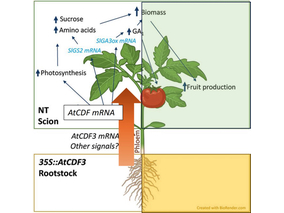
AtCDF3 gene induced greater production of sugars a...
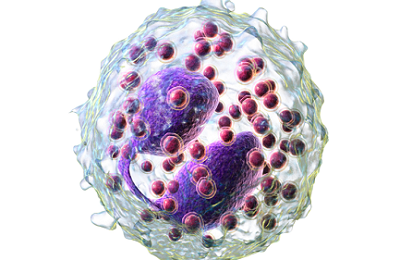
En nuestro post hablamos sobre este interesante tipo de célula del...

Telum Therapeutics, a biotechnology company leveraging proprietary met...