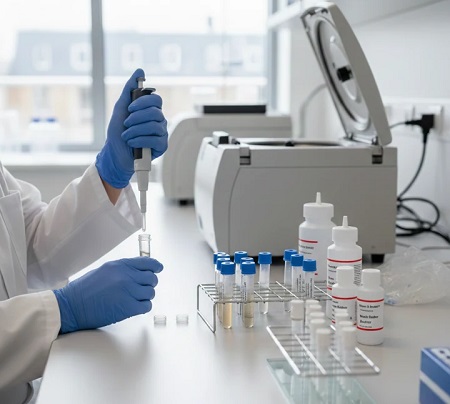
Getting reproducible, high-quality DNA is the foundation of any molecular biology workflow. Whether the goal is PCR, qPCR, cloning, or sequencing, following best practices to extract DNA from bacteria reduces variability, prevents inhibition, and saves troubleshooting time. Below is a clear, step-by-step guide that reflects how experienced labs approach bacterial DNA extraction today—efficiently, safely, and with consistent outcomes.
Start with high-quality bacterial material
Everything begins with the culture. Fresh, healthy bacteria harvested at the right growth phase (typically mid-log to early stationary) yield more intact DNA and fewer contaminants. Avoid overgrown cultures, which often contain degraded nucleic acids and higher levels of inhibitors.
After harvesting, ensure complete removal of culture medium. Residual salts, antibiotics, or metabolites can compromise DNA extraction from bacteria and affect downstream enzymatic reactions.
Match lysis strategy to bacterial cell wall
Effective lysis is the single most important step in bacterial DNA extraction. Gram-negative bacteria usually lyse readily, while Gram-positive strains require stronger disruption due to their thicker peptidoglycan layer.
Best practice combines optimized chemical lysis with enzymatic or mechanical support when needed. Complete and uniform lysis improves yield, reduces variability, and ensures that all samples behave similarly in downstream assays.
Preserve DNA integrity during processing
High-quality DNA is not just about yield. Gentle handling after lysis is essential to maintain integrity. Excessive vortexing, unnecessary incubation time, or high temperatures can shear DNA and reduce performance in applications like long-range PCR or sequencing.
Following validated protocols precisely—especially incubation times and temperatures—is a simple but often underestimated best practice.
Use spin-column DNA purification for consistent purity
For routine laboratory workflows, spin-column DNA purification based on silica membrane technology remains a gold standard. DNA binds selectively to the membrane, while proteins, lipids, and other contaminants are efficiently removed during wash steps.
This approach avoids organic solvents, simplifies handling, and consistently delivers DNA with purity ratios compatible with sensitive applications such as qPCR and NGS.
Remove inhibitors that affect downstream applications
Incomplete washing is a common cause of PCR inhibition. Best practices include thorough centrifugation between steps, correct buffer preparation, and avoiding carryover of ethanol from wash solutions.
A short drying step before elution can significantly improve downstream compatibility, especially for quantitative or enzymatic applications.
Optimize elution for your application
Elution conditions matter more than often assumed. Low-salt buffers or nuclease-free water are generally preferred for enzymatic reactions. Smaller elution volumes increase DNA concentration, while slightly larger volumes may improve total recovery.
Allowing the elution buffer to incubate briefly on the membrane before centrifugation is a simple trick that can noticeably improve yield, particularly from low biomass samples.
Always verify DNA quality
Measuring concentration and purity by spectrophotometry should be standard practice. When integrity is critical, agarose gel electrophoresis provides quick confirmation of DNA size and degradation.
This quality check is a key step in best practices to extract DNA from bacteria, helping avoid downstream failures that are far more costly in time and reagents.
Standardization improves reproducibility
Consistent results require consistent methods. Using the same protocol, reagents, and workflow across experiments minimizes variability and supports reproducible data generation.
Commercial kits manufactured under controlled conditions with batch-to-batch quality control are particularly valuable for labs running comparative studies or routine diagnostic and research workflows.
Product recommendation: where practice meets performance
Many of the best practices described above are built into modern column-based kits. In this context, the HigherPurity™ Bacterial DNA Isolation Kit from Canvax is designed to align closely with these principles, combining optimized lysis chemistry with reliable silica-column purification.
The kit integrates smoothly into standard lab workflows and consistently delivers DNA suitable for PCR, qPCR, cloning, and sequencing. For laboratories looking to apply best practices to extract DNA from bacteria without adding complexity, it represents a balanced solution.
Conclusion
Applying best practices to extract DNA from bacteria is essential for generating reliable and reproducible molecular biology data. From careful sample preparation and optimized lysis to spin-column DNA purification and proper validation, each step contributes to overall success.
When these practices are paired with a well-designed extraction system, labs can reduce variability, streamline workflows, and focus on results rather than troubleshooting. From a value, quality, and innovation standpoint, solutions such as the HigherPurity™ Bacterial DNA Isolation Kit stand out as a practical choice for laboratories seeking robust performance without unnecessary complexity.

La mejor actitud que podemos adoptar es la de trat...

The research team observed changes in head circumf...
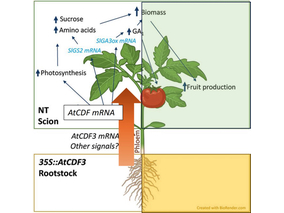
AtCDF3 gene induced greater production of sugars a...
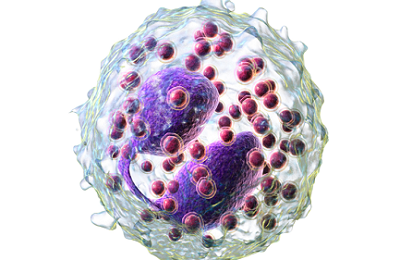
En nuestro post hablamos sobre este interesante tipo de célula del...
Telum Therapeutics, a biotechnology company leveraging proprietary met...