Clinical diagnosis is one of the most critical stages of the care process. Therapeutic decisions, prognoses and, in many cases, the patient’s life depend on it. However, diagnostic errors remain a major problem within the healthcare system, with human, clinical and economic consequences that cannot be ignored.
The data available in the national study ‘Burden of serious harms from diagnostic error in the USA’, conducted by the Johns Hopkins Armstrong Institute Center for Diagnostic Excellence and the Risk Management Foundation of the Harvard Medical Institutions and summarised in the article “Diagnostic Errors: The Laboratory’s Essential Role in Addressing Today’s Challenges”, reveal a stark reality: every year, approximately 795,000 people in the United States suffer death or permanent disability as a result of diagnostic errors. Of these, an estimated 371,000 are deaths and 424,000 are cases of permanent disability, figures that place diagnostic error among the greatest challenges to patient safety today.
The diagnostic process: where errors tend to concentrate
Contrary to common perception, most diagnostic errors are not caused solely by clinical misinterpretation. The studies analysed show that over 70% of diagnostic errors occur during the diagnostic testing process, including the ordering of appropriate tests (this accounts for 55% of the errors observed in missed and delayed diagnoses in the outpatient setting, and 58% of errors in A&E departments), sample collection, processing, analysis and the communication of results.
This finding is particularly significant when one considers that:
From an economic perspective, the impact is no less significant. Errors associated with the diagnostic process represent an estimated cost of approximately $100 billion annually to the US healthcare system, reflecting not only harm to the patient but also inefficiency in resource management.
The laboratory as the cornerstone of modern diagnosis
These figures point to a clear conclusion: clinical laboratories are a central pillar of modern diagnosis. Their role goes far beyond simply producing results; they have a direct influence on diagnostic accuracy, medical decision-making and patient safety.
However, this key role is played out in an increasingly complex context. Laboratories face structural challenges that directly impact service quality:
A shared responsibility: working together to reduce errors
One of the clearest messages to emerge from the analysis is that many of these diagnostic errors could be prevented. This represents a real opportunity for improvement, provided that diagnosis is approached as a collaborative process.
Every stakeholder in the system has a key role to play:
A lack of communication between these stakeholders is one of the main factors contributing to errors, whilst effective collaboration is directly associated with improved diagnostic quality.
Key strategies for more reliable diagnosis
To reduce the impact of diagnostic errors, it is essential to adopt a comprehensive approach based on:
Every diagnosis counts
The figures speak for themselves. Hundreds of thousands of deaths and cases of permanent disability each year, billions of dollars in costs and a high percentage of potentially preventable errors highlight an inescapable reality: improving diagnosis is a healthcare priority.
Strengthening the role of the laboratory, investing in quality and fostering collaboration between doctors, technicians and manufacturers is not just an operational improvement, but a direct commitment to patient safety. Because, when the diagnosis is correct, the whole system works better.

La mejor actitud que podemos adoptar es la de trat...

The research team observed changes in head circumf...

AtCDF3 gene induced greater production of sugars a...
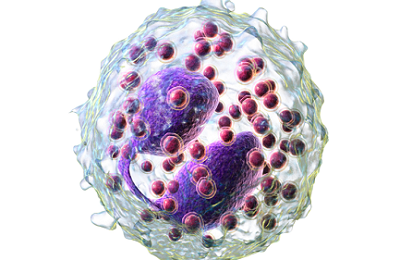
En nuestro post hablamos sobre este interesante tipo de célula del...

Telum Therapeutics, a biotechnology company leveraging proprietary met...