Pregnant women living with HIV are particularly vulnerable to malaria infection. However, they cannot receive the standard intermittent preventive treatment with sulfadoxine-pyrimethamine (IPTp-SP) because of potential interactions with cotrimoxazole, a drug routinely prescribed to prevent opportunistic infections in people with HIV.
In order to evaluate safe and effective alternatives, a team from the Barcelona Institute for Global Health (ISGlobal), a centre supported by the ”la Caixa” Foundation, in collaboration with the Manhiça Health Research Centre (CISM), conducted the MAMAH clinical trial. The study also evaluated the acceptability of an alternative preventive treatment based on the monthly administration of dihydroartemisinin-piperaquine (DHA-PPQ). The results were published in BMC Public Health.
"In addition to its clinical efficacy, the success of DHA-PPQ also depends on pregnant women’s adherence to the new treatment, which is influenced by the social and cultural context," explains Tacilta Nhampossa, researcher at CISM and lead author of the study.
Trust in health professionals, key to acceptability
Through interviews with pregnant women with and without HIV, as well as with healthcare workers, the study found that all HIV-positive women who participated in the trial agreed to take DHA-PPQ monthly until delivery. This decision was driven by a high level of trust in healthcare professionals, rather than an understanding of the benefits of the treatment.
Although some participants reported mild side effects, such as dizziness or nausea, they expressed a willingness to take DHA-PPQ in future pregnancies because they believed it would contribute to a healthy outcome.
The role of community support
Both women who participated in the trial and healthcare workers identified several factors that could improve treatment acceptability: access to information on DHA-PPQ benefits, testimonials from other women who had taken the drug, and the home delivery of the drug.
"We must leverage the trust placed in healthcare professionals to enhance understanding of DHA-PPQ’s benefits," says Clara Menéndez, director of the Maternal, Child and Reproductive Health Initiative at ISGlobal and coordinator of the study. "Training healthcare workers in communication strategies and involving community agents is key to increasing the coverage of these interventions and improving treatment acceptability within the community," she concludes.
Image: Canva
Reference: Nhampossa, T., Torres, N., Chivangue, M. et al. Acceptability of dihydroartemisinin-piperaquine as malaria intermittent preventive treatment for pregnant women living with HIV in Southern Mozambique. BMC Public Health 25, 1633 (2025). https://doi.org/10.1186/s12889-025-22644-0

La mejor actitud que podemos adoptar es la de trat...

The research team observed changes in head circumf...
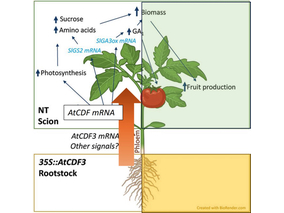
AtCDF3 gene induced greater production of sugars a...
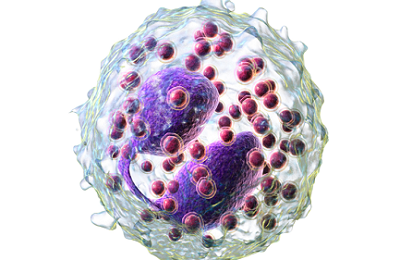
En nuestro post hablamos sobre este interesante tipo de célula del...

Telum Therapeutics, a biotechnology company leveraging proprietary met...