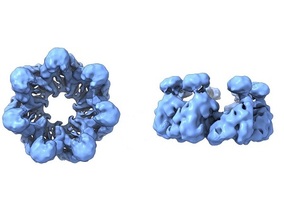
Se trata de la primera reconstrucción estructural de proteínas ancestrales multiméricas, es decir, aquellas capaces de ensamblarse para generar una función biológica nueva
Read more
Un estudio liderado por el grupo del CIBERSAM perteneciente a Psiquiatría, Salud Mental y Adicciones del Vall d’Hebron Instituto de Investigación (VHIR) ha identificado un conjunto de factores gen...
Read more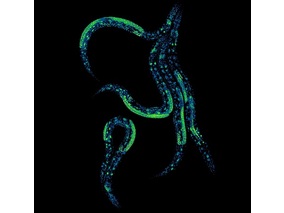
Researchers have found a way to control protein levels inside different tissues of a whole, living animal for the first time. The method lets scientists dial protein levels up or down with great preci...
Read more
The result, after analyzing the blood samples, is clear. Those with a higher score on the blood fat index, indicating a better diet, had a 14% lower risk of suffering from this type of stroke.
Read more
Biopharmaceutical company Oniria Therapeutics, Vall d’Hebron Institute of Oncology (VHIO) and Institut Català d’Investigació Química (ICIQ) will work together on the regulatory preclinical phas...
Read more
The results confirm that combining durvalumab with FLOT (fluorouracilo, leucovorina, oxaliplatina y docetaxel) is not only effective but also safe for patients.
Read more
Integrating liver health within the NCD agenda could accelerate progress and reduce inequities
Read more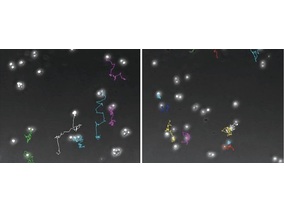
Investigadores del CNB-CSIC han descubierto que los niveles de colesterol en la membrana celular afectan a la capacidad de las células inmunitarias para migrar a los tejidos donde son necesarias
Read more
A research team led by Dr. Àlex Bayés, Head of the Molecular Physiology of the Synapse Group at the Institut de Recerca Sant Pau (IR Sant Pau), has achieved what for decades had been an elusive goal...
Read more
This discovery reveals that the way DNA twists or 'supercoils' is key for cells to respond to oestrogens.
Read more
Un estudio liderado por la Universidad Rovira i Virgili ha seguido durante seis años a más de mil personas con sobrepeso u obesidad y otros indicadores metabólicos, como la hipertensión o niveles ...
Read more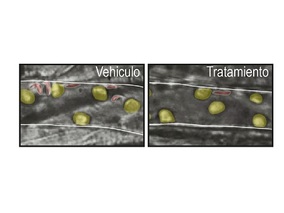
A CNIC study reveals that neutrophils—a type of immune cell—are less aggressive at night, explaining why nighttime heart attacks are less severe than those occurring during the day
Read more
La mejor actitud que podemos adoptar es la de trat...

The research team observed changes in head circumf...
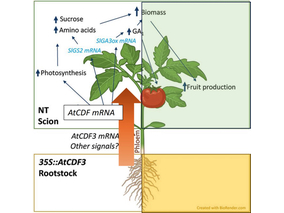
AtCDF3 gene induced greater production of sugars a...
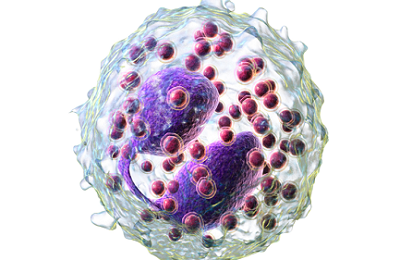
En nuestro post hablamos sobre este interesante tipo de célula del...

Acute myeloid leukemia (AML) does more than infiltrate the lungs: it a...