El prototipo ha sido uno de los 100 proyectos presentados recientemente en el programa Prototypes for Humanity en Dubái y ganó el premio James Dyson 2024 – España el pasado septiembre
Read more
Let’s look at the most noteworthy news from November, showcasing the vibrancy and constant innovation in the BioRegion of Catalonia, from basic research to clinical applications and international bu...
Read more
It is a software that will allow insulin doses to be adjusted more appropriately to the blood glucose levels of patients with diabetes who are admitted to both hospitals and other healthcare centers
Read more
New study explores the association between different environmental exposures and Long-COVID in a Catalan population cohort
Read more
Un trabajo liderado por el Instituto de Neurociencias (CSIC-UMH) describe por primera vez la distribución de los receptores de NMDA en cerebros humanos ‘post mortem’ con alzhéimer
Read more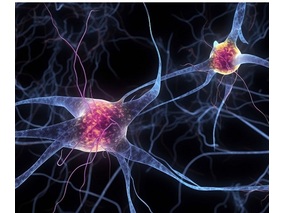
Un equipo internacional de investigadores ha identificado las variantes genéticas causantes de una condición que afecta principalmente al sistema nervioso y que, hasta ahora, no tenía diagnóstico....
Read more
The main objective is to demonstrate that this technology not only generates benefits for the patient, but also reduces time and saves resources in the medical center
Read more
Un equipo del CSIC cuantifica por primera vez la emisión global de un gas de azufre producido por la vida marina y su contribución a formar partículas y nubes en el aire
Read more
Los hallazgos podrían apuntar a nuevas formas de tratar los cánceres impulsados por proteínas RAS mutantes.
Read more
Sanitas, compañía especialista en el cuidado de la salud, Gutinver y otros inversores privados se han asociado en el terreno de la investigación y entran como accionistas en el proyecto MIMO Biosci...
Read more
A study coordinated by Dr Francesc Jiménez-Altayó, researcher at the Institut de Neurociències of the UAB (INc-UAB) and at CIBERCV, shows that temporary lack of blood flow to the brain can lead to ...
Read more
New research has found that people with a genetic defect in how their digestion works eat less cake, sweets and chocolate, which could hold the key to helping the wider population to eat less sugar.
Read more
La mejor actitud que podemos adoptar es la de trat...

The research team observed changes in head circumf...
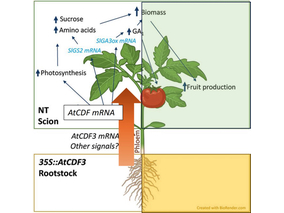
AtCDF3 gene induced greater production of sugars a...
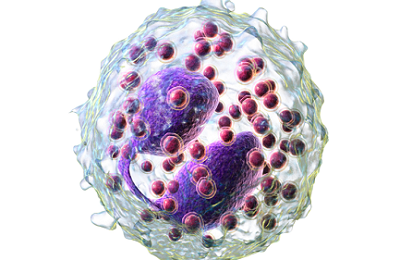
En nuestro post hablamos sobre este interesante tipo de célula del...

Telum Therapeutics, a biotechnology company leveraging proprietary met...