Researchers from the National Center for Genomic Analysis (CNAG) have published the first cellular atlas of inflammation, a comprehensive database that analysed more than 6.5 million blood cells from ...
Read more
It has been discovered that the probability of developing pancreatic cancer may increase when two specific genes in the complement system become mutated. These genes, called FCN1 and PLAT, could becom...
Read more
El grupo Neuroinmunología del Instituto de Investigación Sanitaria Biogipuzkoa ha concluido que el envejecimiento del sistema inmunitario en personas con esclerosis múltiple es diferente
Read more
On Tuesday, November 18, the consortium of the European project MILenARI (Mediterranean International Lentivirus ARI) held its inaugural meeting online, with the participation of all partners and repr...
Read more
The CNIO, Spain's leading cancer research center, focuses its scientific, technological, and human resources on the major challenges currently faced by cancer research.
Read more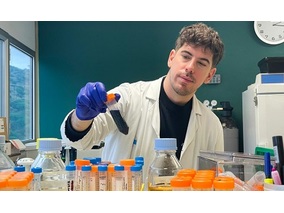
The treatment, known as anti-PD-1, increases both the number and functionality of vaccine-induced T cells capable of recognizing and eliminating HIV
Read more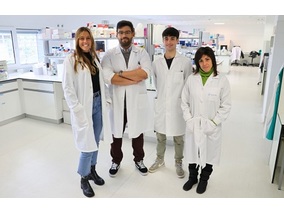
IDIVAL researchers clarify the role of the NF‑κB pathway in this inflammatory disease
Read more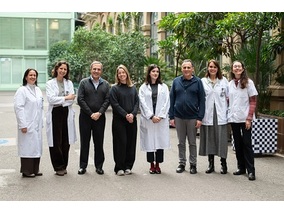
The results show that patients with anti-NMDAR encephalitis have significantly lower levels of glutamate and derived metabolites in the prefrontal cortex during the recovery phase of the disease than ...
Read more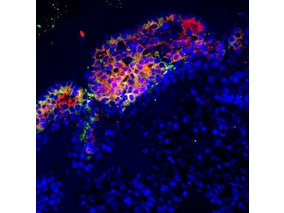
Researchers from the Hospital del Mar Research Institute and the Vall d'Hebron Institute of Oncology have demonstrated, in animal models, the role played by these cells in the development of cancer ce...
Read more
A new class of light-activatable molecules has been developed, enabling precise modulation of the vitamin D receptor
Read more
Han aplicado un innovador enfoque de inteligencia artificial explicable para identificar y priorizar la información genética que aumenta el riesgo de desarrollar sepsis tras una intervención quirú...
Read more
La investigación, publicada en Circulation Research, revela que los neutrófilos, células clave del sistema inmune, modifican su comportamiento según el ritmo circadiano y afectan a la perfusión c...
Read more
La mejor actitud que podemos adoptar es la de trat...

The research team observed changes in head circumf...
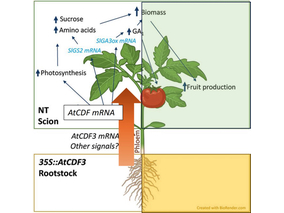
AtCDF3 gene induced greater production of sugars a...
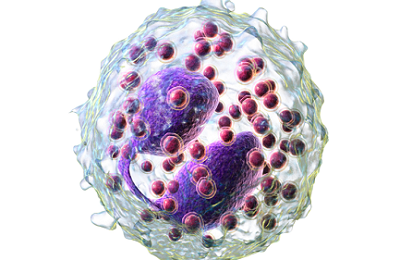
En nuestro post hablamos sobre este interesante tipo de célula del...

Telum Therapeutics, a biotechnology company leveraging proprietary met...