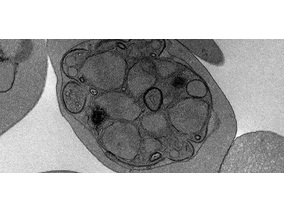
Targeting a key metabolic step in 'P. falciparum' offers hope for developing new treatments that don’t harm human cells
Read more
El uso de secuenciación metagenómica tipo shotgun permite detectar bacterias, virus, hongos y otros microorganismos no bacterianos, superando las limitaciones del enfoque clásico del estudio del AR...
Read more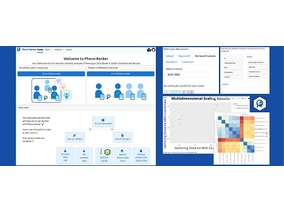
It has been developed Pheno-Ranker, an open-source toolkit that transforms complex phenotypic data into actionable information, accelerating the discovery of diagnoses for rare diseases and facilitati...
Read more
A team of researchers at the Sant Pau Research Institute (IR Sant Pau) has demonstrated that the plasma biomarker p-tau217, obtained through a simple blood test, can predict the clinical progression o...
Read more
The research, published in The FEBS Journal, improves understanding of classical homocystinuria, a hereditary metabolic disorder, and proposes new potential therapeutic approaches.
Read more
Un nuevo estudio reduce errores en imágenes médicas con una técnica innovadora basada en IA.
Read more
The phase 3, multi-center, open-label, randomized CONTACT-02 trial, was designed to evaluate the safety and efficacy of cabozantinib, a tyrosine kinase inhibitor (TKI), combined with immune checkpoint...
Read more
El grupo de investigación ‘Desarrollo y enfermedades musculares’ del Centro Andaluz de Biología del Desarrollo logra corregir alteraciones fisiopatológicas en modelos celulares de esta grave en...
Read more
La alimentación exclusiva con leche materna durante el primer mes de vida reduce la presencia de microorganismos resistentes a estos fármacos, según un estudio publicado en ‘Nature Communications...
Read more
Researchers have managed to identify biomarkers for cognitive impairment in this group of patients that could help in its diagnosis.
Read more
Researchers at IRB Barcelona and BRIC Copenhagen present a method that combines two types of mutations to better identify DNA repair problems.
Read more
It has been developed a new cell therapy based on CAR-T cells designed to simultaneously target two specific markers of T-cell acute lymphoblastic leukemia (T-ALL): the proteins CD1a and CCR9.
Read more
La mejor actitud que podemos adoptar es la de trat...

The research team observed changes in head circumf...

AtCDF3 gene induced greater production of sugars a...

En nuestro post hablamos sobre este interesante tipo de célula del...

Telum Therapeutics, a biotechnology company leveraging proprietary met...