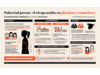
La ‘dieta anticáncer’ no existe, pero sí está claro que la nutrición tiene mucho que ver con el cáncer.
Read more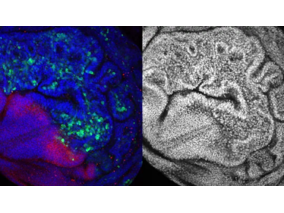
The work, led by IRB Barcelona, shows that tumours with chromosomal instability can promote their own growth by damaging the surrounding healthy tissues.
Read more
Many repetitive regions of the genome have been considered “junk DNA” because the technologies available did not allow them to be studied at sufficient resolution. This is the case with the SST1/N...
Read more
El estudio muestra cómo modelos 3D de glioblastoma responden a un nanocompuesto activado y analizado con luz de sincrotrón
Read more
Elaboran un documento de consenso internacional que analiza los avances y los retos de la secuenciación genómica para predecir la sensibilidad de las bacterias a los antibióticos, una tecnología l...
Read more
A study led by the Innovation in Vesicles and Cells for Application in Therapy (IVECAT) group at the Germans Trias i Pujol Research Institute (IGTP) has identified a key mechanism regulating the anti-...
Read more
Now advancing 15 next-generation in vivo therapies through high-performance, scalable lentiviral vector manufacturing capabilities
Read more
Este artículo analiza el valor de la FVU como fuente de información molecular, destacando su capacidad para concentrar ADN, ARN, proteínas y vesículas extracelulares procedentes del tracto urogeni...
Read more
CTH120 es un tratamiento potencialmente modificador del síndrome X frágil, una enfermedad rara sin tratamiento específico aprobado a día de hoy que afecta gravemente a la cognición y la conducta....
Read more
La investigación del Centro de Investigación del Cáncer, liderada por Sandra Blanco, explora el potencial del epitranscriptoma para desarrollar nuevos fármacos capaces de mejorar la respuesta a lo...
Read more
The findings, published in Nature Medicine, indicate that abatacept is significantly more effective than hydroxychloroquine in preventing the onset of arthritis
Read more
The project aims to determine how genetic alterations affecting the BAF complex, and the epigenetic changes they trigger, contribute to treatment resistance and disease progression.
Read more
La mejor actitud que podemos adoptar es la de trat...

The research team observed changes in head circumf...
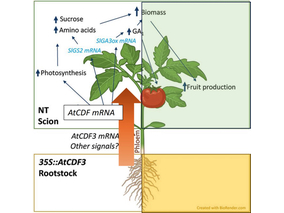
AtCDF3 gene induced greater production of sugars a...
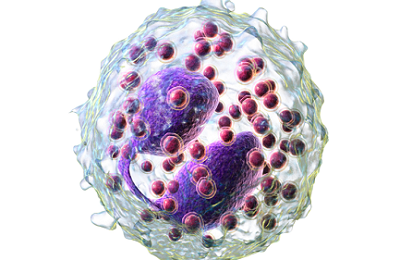
En nuestro post hablamos sobre este interesante tipo de célula del...

Telum Therapeutics, a biotechnology company leveraging proprietary met...