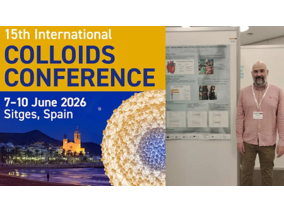
Nuestro compañero David Patrocinio participó del 7 al 10 de junio en el 15th International Colloids Conference, celebrado en Sitges, donde presentó dos pósteres científicos desarrollados en el ma...
Read more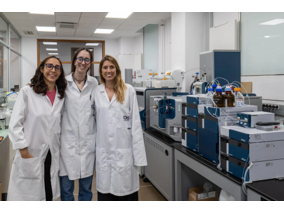
IQS and the company HIPRA Scientific are collaborating on the TECARN project, which aims to develop and validate advanced analytical methodologies for the analysis and characterization of mRNA intende...
Read more
Plants use chemical signals to control how they grow, develop, and respond to their surroundings. One of the most important of these signals is a small molecule called auxin. Despite its simplicity...
Read more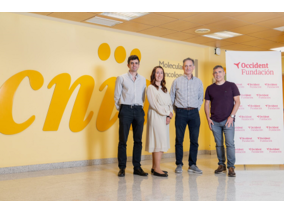
Yeates is the inventor of protein nanoparticles that assemble themselves, much like ‘Lego’ bricks. They are used to visualise very small proteins that are targets for anti-cancer drugs.
Read more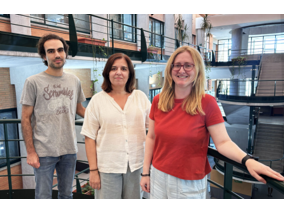
El trabajo demuestra que un pequeño ARN denominado SuhB, de apenas 70 nucleótidos, actúa como un regulador esencial en la respuesta de esta bacteria a distintos tipos de estrés ambiental, entre el...
Read more
The HMarBCN -CNIO Cancer Immunotherapy Clinical Research Unit has just received funding from the Deutsche José Carreras Leukämie Stiftung for a project aimed at modifying T cells directly within the...
Read more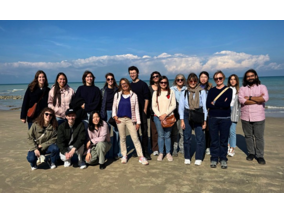
These nanotubes, thin structures that connect cells to each other, allow for the communication and transfer of toxic proteins and damaged cellular components, implicated in Parkinson’s disease and o...
Read more
Viva In Vitro Diagnostics celebrates one year within the EIC Transition programme, strengthens its national clinical network in sepsis and analyses how the new health technology assessment framework c...
Read more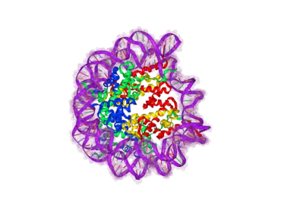
MD4SB will establish an infrastructure for the dynamic description of biological macromolecules, connecting three major European Research Infrastructures (Instruct-ERIC, ELIXIR, and EU-OPENSCREEN ERIC...
Read more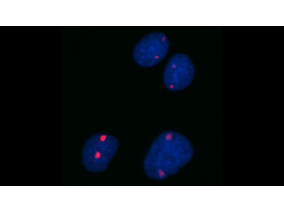
The study has identified SIRT7, a protein involved in how cells respond to stress and ageing, and how it plays a critical role in maintaining the health of the X chromosome.
Read more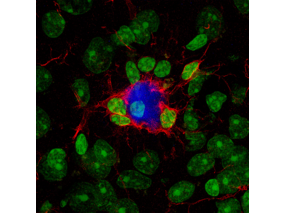
Un estudio del Instituto de Neurociencias (CSIC-UMH) muestra en modelos animales cómo este compuesto reduce el tamaño y la toxicidad de las sustancias que generan esta enfermedad
Read more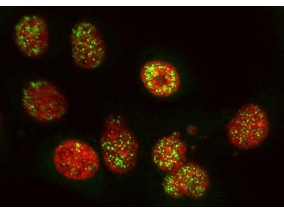
The study analyses the role of PARP2 protein in tumour development and protection, and describes how its elimination leads to tumour cell death and activation of the immune system
Read more
La mejor actitud que podemos adoptar es la de trat...

The research team observed changes in head circumf...
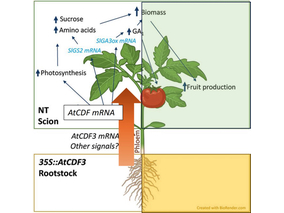
AtCDF3 gene induced greater production of sugars a...
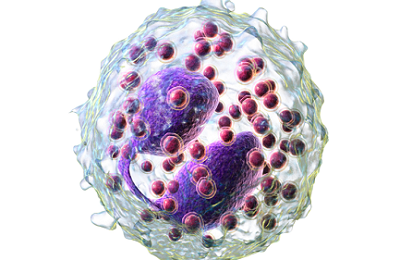
En nuestro post hablamos sobre este interesante tipo de célula del...

Telum Therapeutics, a biotechnology company leveraging proprietary met...